Recycling and Sustainability – Gardening Services Finchley
 At Gardening Services Finchley we put eco-friendly waste disposal and a sustainable rubbish gardening area at the heart of every job. Our Finchley gardening services combine traditional green-keeping with modern circular-economy thinking to reduce landfill, support local reuse and increase composting. We work across Finchley and neighbouring parts of the London Borough of Barnet to provide a practical, measurable approach to on-site waste sorting, material recovery and low-carbon transport.
We set clear performance goals. Our recycling percentage target is 80% of garden and related waste within 12 months and a long-term aim of 90% recovery within three years. These targets cover green waste, soil reuse, hard landscaping materials and small amounts of timber and metal that can be salvaged for reuse. By tracking tonnes diverted from landfill we report progress internally and adapt routes and techniques to meet our targets.
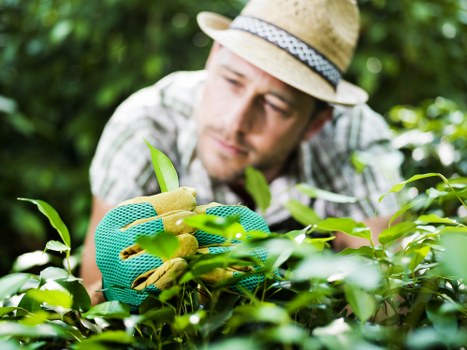 The service teams are familiar with the boroughs' approach to waste separation: Barnet and nearby councils encourage separate collections for food waste, mixed recyclables and dedicated garden waste collections (green bins or subscription collections). We mirror that approach on-site by separating organic matter, recyclable plastics and metals, and inert materials for transfer to appropriate recycling streams, helping local infrastructure cope more efficiently with diverted materials.
Local transfer stations and material flows
We operate using nearby transfer stations and processing facilities so material leaves Finchley on the right route. We consolidate sorted loads for delivery to local transfer stations and composting facilities in North London, including the well-known regional EcoPark and other Barnet- and Enfield-area transfer hubs. This reduces double-handling and cuts transport emissions. Our chain of custody ensures traceability from collection to processing and shows how we meet recycling standards.
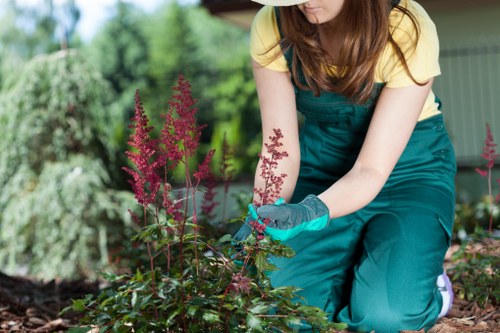 We also partner with charities and community projects to give usable items a second life. Strong relationships with local reuse partners mean surplus plants, containers, tools and gently used paving or bricks are offered to community gardens, allotment groups and registered social enterprises. Working with charities is part of our sustainability model: it reduces waste, supports local causes and avoids unnecessary disposal costs.
Typical items we divert via partnership and recycling include:
- Compostable green waste for municipal or commercial composting
- Reusable pots, planters and timber for community reuse
- Clean soil and topsoil redistributed to landscaping projects
- Small metal fittings, gates or tools recycled through local metal processors
Low-carbon fleet and smarter collections
Our low-carbon vans and operational choices reduce the carbon footprint of Finchley gardening services. We deploy electric vans for small urban jobs, hybrids for mixed routes and route-optimisation software to lower mileage and idle time. For short, dense areas we supplement vans with cargo bikes and trailers to eliminate short petrol trips completely. These measures are part of a wider commitment to reduce emissions per job year on year.
On-site, our teams use low-impact techniques to keep material value high: chipping woody arisings for mulch, segregating clean stone for reuse, and air-drying turf before reusing or offering as a donation. We treat soil as a resource—screening and reconditioning where appropriate rather than transporting it off-site. This approach keeps materials circulating within the local sustainable rubbish gardening area.
Practical sustainability measures we implement include waste audits, customer-facing waste notes showing how materials were handled, and monthly monitoring of diversion rates so we can continuously improve. We balance operational efficiency with environmental responsibility to maintain a high-quality Finchley gardening services offer.
Compliance and transparency matter. We maintain documentation for loads sent to transfer stations, record weights and destinations, and ensure that any materials destined for recycling meet the acceptance criteria of receiving facilities. This careful approach minimises contamination, improves processing yields and helps local councils meet broader recycling targets.
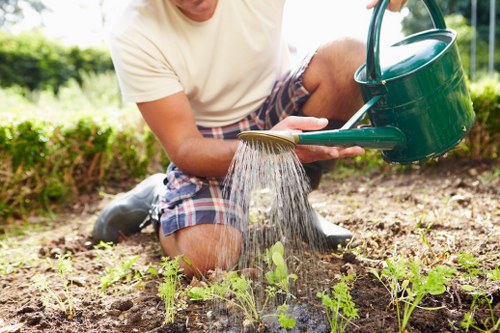 Working closely with local community groups is a core element of our model. We run periodic drive and donate initiatives with charities, make scheduled deliveries of usable plants and materials to community greening projects, and support charity-run allotments with surplus compost and timber. These partnerships multiply the social and environmental benefits of every job.
 Our promise to Finchley is simple: provide sustainable gardening Finchley residents can rely on, by delivering measurable recycling outcomes, partnering with local transfer stations and charities, and operating a low-carbon fleet. We are committed to meeting our 80% recycling target within 12 months and raising the standard of eco-friendly waste disposal within the local sustainable rubbish gardening area. Together with local residents and organisations, we aim to make greener gardens and cleaner streets the norm.