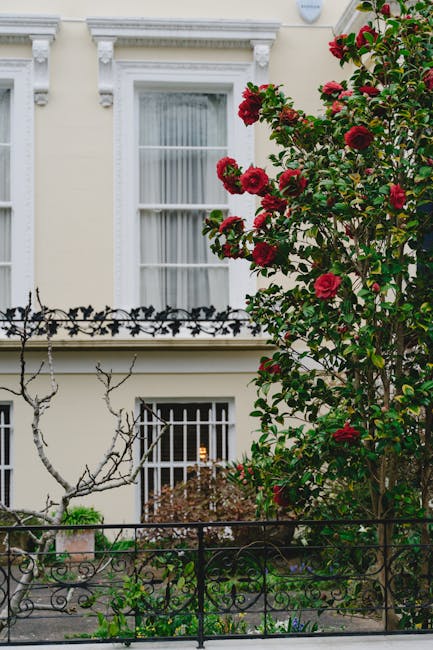
Finchley gardeners rates and quotes for Ballards Lane shops
If you manage or own a shop on Ballards Lane, you already know that first impressions happen before anyone steps inside. The pavement edge, the planters, the front strip of planting, even the little weeds that seem to appear overnight - they all say something about the business. That is why Finchley gardeners rates and quotes for Ballards Lane shops matter more than many people expect. A tidy frontage is not just "nice to have"; it can help a shop look cared for, open, and worth walking into.
This guide explains how local gardening quotes are usually put together, what affects pricing, and how to compare estimates without getting lost in jargon. You will also find practical advice for choosing the right service level for a high-footfall retail street, plus a simple checklist you can use before requesting a quote. If you want a broader view of available services, you can also browse the services overview and the company's pricing and quotes page for a clearer sense of how work is typically structured.
Let's face it: shopfront gardening is one of those jobs that looks simple until it is left too long. Then it becomes a mess of cleanup, access issues, and last-minute scrambling. A good quote should help you avoid all that.
Table of Contents
- Why Finchley gardeners rates and quotes for Ballards Lane shops matters
- How Finchley gardeners rates and quotes for Ballards Lane shops works
- Key benefits and practical advantages
- Who this is for and when it makes sense
- Step-by-step guidance
- Expert tips for better results
- Common mistakes to avoid
- Tools, resources and recommendations
- Law, compliance, standards, or best practice
- Options, methods, or comparison table
- Case study or real-world example
- Practical checklist
- Conclusion
- Frequently asked questions
Why Finchley gardeners rates and quotes for Ballards Lane shops Matters
Ballards Lane is a busy retail stretch, and that changes the way gardening work is priced and planned. In a quiet residential garden, a gardener can often work around the day. On a shopfront, timing, tidiness, access, and presentation all matter at once. A quote has to reflect more than mowing or pruning; it may need to include regular upkeep, waste removal, careful working hours, and a finish that does not leave soil, clippings, or tools in the way of customers.
For shop owners, this is about more than appearance. A neglected frontage can send the wrong message, especially in a location where people are passing by quickly and deciding in seconds whether to stop. A well-maintained planter, window-edge bed, or entrance strip can soften the hard edges of a retail frontage and make the place feel more welcoming. That sounds small. It isn't.
It also matters because commercial gardening budgets are easiest to control when the scope is clear. If a gardener has to guess whether you want weekly weeding, seasonal planting, hedge trimming, or occasional clearance, the quote becomes vague. And vague quotes are where trouble starts. You may think you are comparing like for like, but actually you are comparing different levels of labour, materials, and visit frequency.
In practical terms, good local pricing helps you:
- keep the shop frontage consistently presentable
- avoid emergency callouts when growth gets out of hand
- plan maintenance as part of operating costs, not a surprise expense
- reduce trip hazards and clutter near entrances
- get a service matched to real footfall and seasonal demand
Practical takeaway: for Ballards Lane shops, the best quote is not usually the cheapest. It is the one that clearly defines the work, the timing, the waste handling, and the expected finish.
How Finchley gardeners rates and quotes for Ballards Lane shops Works
Most gardeners will build a quote from a mix of labour, visit time, materials, disposal, and the complexity of the site. For shops, the front-of-house presentation often increases the importance of small details. A planter refresh, for example, may look straightforward, but if the area is cramped, the access is shared, or the pavement has to stay clear throughout, the job can take longer than expected.
A professional quote usually starts with a quick site assessment. That may be a physical visit, photos, or a call followed by a written description. The more specific you are, the more reliable the figure will be. A front strip with seasonal planters is a different job from overgrown beds at the side of a shop, and both are different again from a once-a-month tidy-up.
Rates can be structured in several ways:
- Hourly rate: suitable for unpredictable or mixed tasks
- Fixed visit rate: useful for regular maintenance with a defined scope
- Project quote: better for one-off work such as clearance, replanting, or redesign
- Seasonal contract: a practical choice if the frontage needs repeat visits through the year
What changes the price most? Usually access, urgency, volume of waste, and how polished you want the final result to be. A quick weed-and-sweep pass costs less than a full reset with soil improvement, new planting, and removal of dead material. No mystery there, really.
You may also see quotes vary depending on whether materials are included. Some gardeners will price labour separately and then add plants, compost, bark, or containers. Others will offer a bundled figure. Neither is automatically better, but the quote should tell you what is included so you are not left trying to decode it later.
One thing worth checking is communication style. A strong quote should explain the work in plain English, not just list a pile of terms that sound impressive. If a gardener can explain what they will do, when they will do it, and what happens if the brief changes, you are already in better hands.
Key Benefits and Practical Advantages
There are a few reasons shop owners on Ballards Lane keep returning to regular garden maintenance once they have seen the difference. The benefits are not just visual, though that is the obvious one. The real value is in reliability and reduced stress.
- Better curb appeal: tidy edges, healthy planting, and uncluttered entrances help the shop look open and cared for
- More predictable costs: regular quotes and repeat schedules are easier to budget for than irregular rescue jobs
- Lower risk of neglect: frequent maintenance prevents small issues becoming a larger, more expensive clear-up
- Safer access: fewer overgrown areas, less debris, and reduced slip or trip concerns near the shop entrance
- Cleaner brand presentation: the front of the shop becomes part of the customer experience, whether you sell coffee, clothes, or services
- Seasonal flexibility: planting and upkeep can change with the weather, trading patterns, and display priorities
There is also a quieter advantage: less decision fatigue. When the arrangement is set up properly, you are not repeatedly wondering whether to call someone, chase a quote, or wait until the problem gets worse. You just know the frontage is being looked after. That alone can be a relief on a busy week.
For some shops, the garden work is minimal but precise. Think small planters outside a salon, a neat green strip by a deli, or hanging baskets that need replacing before they go tired and brown. For others, the requirement is much more hands-on. Either way, the principle is the same: clear expectations lead to cleaner results.
Who This Is For and When It Makes Sense
This topic is most relevant for business owners, managers, landlords, and facilities teams responsible for a retail frontage on or near Ballards Lane. It also matters for tenants who have agreed to maintain the outside appearance of a unit as part of their lease or day-to-day responsibility. If you are not sure who owns the upkeep, check the paperwork first. That saves awkward conversations later.
It makes sense to request quotes when any of the following apply:
- the frontage looks untidy after a period of growth, weather, or vacancy
- you want regular maintenance instead of one-off fixes
- you are preparing for a new opening, refit, or seasonal promotion
- you need a quote for budgeting or approval purposes
- the current arrangement is inconsistent, late, or not detailed enough
It is also smart to get a quote before the work becomes urgent. Emergency jobs often cost more simply because they are emergency jobs. If a planter bed has been left too long and now needs a full cut-back, clearance, and waste removal, the job becomes heavier. That is true in a back garden; on a busy shopfront, it is even more obvious.
Shop types that often benefit from structured gardening quotes include:
- cafes and food shops with front seating or plant displays
- hair and beauty businesses that rely on polished presentation
- independent retailers with small frontage beds or planters
- office-front businesses near Ballards Lane needing tidy external space
- managed commercial properties with shared entrance landscaping
Truth be told, if customers can see the outside, the outside is part of the business.
Step-by-Step Guidance
If you want a sensible quote, the process is easier than people think. It just needs a bit of structure. Here is a clean way to handle it.
- Define the area to be maintained. List the exact space: front beds, pavement planters, side access, hanging baskets, or rear service strip.
- Decide how often you need visits. Weekly, fortnightly, monthly, or seasonal visits all produce different costs.
- Note any problem areas. Overgrowth, dead plants, poor drainage, broken containers, weeds in paving, or rubbish left by the public should all be mentioned.
- Ask what is included. Labour, materials, waste removal, trimming, pruning, and replanting should be clear from the start.
- Request a written quote. Even a concise written scope is better than a vague verbal estimate.
- Compare like for like. Look at frequency, finish, waste handling, and whether the quote includes VAT if applicable.
- Agree the communication method. If weather or access affects the work, you want to know how that will be handled.
A useful little habit: take a few photos in daylight before asking for prices. One from the pavement, one close-up, and one from the shop entrance usually tells the story quickly. It sounds simple, because it is. But it saves back-and-forth.
If the quote is for ongoing maintenance, ask how seasonal changes are handled. Spring growth, summer watering, autumn leaf fall, and winter clean-up can all change the amount of work needed. A well-shaped schedule should anticipate that instead of pretending every month is identical. They never are, of course.
Expert Tips for Better Results
After dealing with enough commercial frontages, a few patterns become pretty clear. The strongest results usually come from clear scope, sensible scheduling, and honest expectations.
- Keep the brief short but specific. "Front planters, weed control, light pruning, and monthly refresh" is better than "general tidy-up."
- Ask for the practical finish standard. You do not need fancy language; just ask what "done" looks like.
- Choose timing that avoids peak customer flow. Early morning often works well for retail properties because it keeps disruption down.
- Plan for waste removal. Green waste piles up fast, especially after cutting back mature growth.
- Match the service to the site. A small frontage may only need light routine care, while a corner unit might need more regular attention due to exposure and foot traffic.
- Review quotes after one visit. If the first job reveals hidden work, the best providers will explain the adjustment clearly rather than springing surprises.
One thing people often overlook is presentation consistency. A shopfront looks best when it is maintained regularly, not just "rescued" every few months. That rhythm matters. A few minutes of care each visit often beats a dramatic overhaul later on, and the result looks calmer too.
If you are choosing between two similar quotes, ask one simple question: which option will keep the frontage looking good three weeks after the visit? That question cuts through a lot of sales talk.
Common Mistakes to Avoid
Most costly mistakes are boring ones. Not dramatic. Just boring and expensive.
- Comparing quotes with different scopes. One may include waste removal and the other may not.
- Assuming "garden maintenance" means the same thing for every provider. It does not.
- Forgetting access details. Loading restrictions, opening hours, and shared entrances can affect the work.
- Leaving the quote too vague. If it only says "tidy garden," expect confusion later.
- Ignoring recurring issues. If weeds keep returning or containers keep dying, the maintenance plan may need adjusting.
- Choosing purely on price. Cheap quotes can be fine, but only if the work actually matches the need.
Another mistake is underestimating seasonal change. A frontage that looks fine in early spring may need a completely different level of attention by mid-summer. If the contract does not allow for that, someone ends up disappointed. Usually everyone, to be fair.
And please, do not wait until the front looks like a tiny wilderness. By then, the quote may be based on clearance rather than maintenance, which is a different job altogether. Much different.
Tools, Resources and Recommendations
You do not need specialist equipment to prepare for a quote, but a few simple tools help the process run smoothly.
- Phone camera: take clear photos of the shop frontage and any problem spots
- Simple site notes: jot down access times, recurring issues, and what must stay clear
- Basic budget range: decide what feels realistic before requesting options
- Calendar or booking system: useful if the garden work needs to sync with deliveries, trading hours, or cleaning schedules
- Written maintenance checklist: helps keep repeat visits consistent
For local commercial clients, it is also helpful to review the company's about us page before booking. That gives a better sense of how they work and whether their approach feels suitable for a business setting. If your concern is how enquiries are handled, the contact us page is the natural next step.
On the sustainability side, some shops prefer planting choices and waste handling that align with a lighter environmental footprint. If that matters to you, a quick look at the recycling and sustainability information is worthwhile. It will not answer every question, but it is a sensible signal of how the service thinks about waste and materials.
Finally, if payment terms are part of your decision, the payment and security page can be useful before anything is agreed. A quote is only one part of the relationship; how payment is managed matters too.
Law, Compliance, Standards, or Best Practice
For shopfront gardening, the main compliance issues are usually practical rather than dramatic, but they still matter. Businesses have a duty to manage their premises safely, and that includes keeping access routes reasonably clear and making sure garden waste, tools, or temporary work do not create obvious hazards.
Best practice usually includes:
- keeping entrances and exits clear during work
- managing waste so it does not obstruct pedestrians
- using suitable protective equipment where needed
- following safe manual handling for heavy pots, soil bags, or cuttings
- being clear about insurance and responsibility before work starts
If a gardener is working near customers, staff, deliveries, or neighbouring units, the expectations should be even tighter. You do not need a lecture on health and safety, but you do need common sense and proper planning. Good commercial gardeners know this and build it into their method.
It is wise to confirm that the provider has clear policies around safety and business conduct. The pages on health and safety policy and insurance and safety help with that reassurance. For broader service conditions, you may also want to review the terms and conditions so everyone knows where they stand.
For sensitive business relationships, there are a couple of other pages that quietly matter. The privacy policy explains how personal details are handled, and the complaints procedure shows there is a process if something goes wrong. No one wants to use a complaints process, obviously, but it is reassuring to know it exists.
Options, Methods, or Comparison Table
Different shopfronts need different pricing models. The right one depends on how predictable the work is and how often it changes.
| Pricing method | Best for | Strengths | Watch-outs |
|---|---|---|---|
| Hourly rate | Uncertain, mixed, or exploratory work | Flexible and easy to start | Can become hard to forecast if the brief changes |
| Fixed visit rate | Regular maintenance with a stable scope | Simple to budget and compare | Must define the tasks clearly |
| Project quote | Clear one-off jobs such as clearance or replanting | Good for known outcomes | May exclude hidden extras unless stated |
| Seasonal contract | Frontages that need ongoing attention throughout the year | Reliable, consistent, easier to plan | Needs review if the site changes or footfall shifts |
For Ballards Lane shops, a seasonal contract is often the most practical if the frontage is visible and customer-facing. That said, a one-off quote can make sense if you only need a reset before launch, renovation, or peak trading. There is no universal answer. The "best" method is the one that matches how your site actually behaves in real life, not how it behaves on paper.
Case Study or Real-World Example
Picture a small independent shop on Ballards Lane with two front planters, a narrow entrance strip, and a modest amount of weed growth between paving slabs. Nothing dramatic. Just enough for the frontage to start looking tired. The owner notices that the shop window looks fine, but the outside feels a bit forgotten, especially after a wet week.
Instead of asking for "general gardening," they send a clear brief: monthly maintenance, weed removal from paving, planter tidy-up, deadheading in warmer months, and green waste taken away. They also include photos taken on a Tuesday morning before opening. Smart, really.
The result is a more accurate quote because the provider can see the access, the scale, and the finish expected. The first visit deals with the existing mess, and later visits are lighter because the work is now preventative rather than reactive. The owner gets a frontage that looks intentional rather than patched together, and the budget becomes easier to manage. Not flashy. Just effective.
That sort of job is common enough that it is worth saying plainly: the first quote is often not the final word, but it should be the right starting point. If the actual work changes once the site is inspected, that is normal. What matters is whether the gardener explains the change clearly and keeps the scope honest.
Practical Checklist
Use this checklist before asking for Finchley gardeners rates and quotes for Ballards Lane shops. It keeps the conversation focused and helps you avoid vague pricing.
- Have I defined the exact areas to be maintained?
- Do I know whether this is a one-off job or a recurring service?
- Have I listed the main problems, such as weeds, dead plants, or overgrowth?
- Have I taken clear photos from more than one angle?
- Have I confirmed opening hours or access restrictions?
- Do I need waste removal included in the price?
- Have I asked whether plants, compost, or materials are included?
- Do I want an hourly, fixed, project, or seasonal quote?
- Have I checked the terms, payment approach, and safety information?
- Am I comparing quotes with the same scope?
If you can tick most of those off, you are already ahead of the game. And yes, the quote conversation becomes a lot less annoying when the brief is clear from the start.
Conclusion
For shop owners and managers on Ballards Lane, garden maintenance is not really about gardening in the narrow sense. It is about keeping the outside of the business neat, welcoming, and under control. Good Finchley gardeners rates and quotes for Ballards Lane shops should reflect the realities of a busy retail frontage: access, timing, presentation, waste handling, and regular upkeep.
If you want reliable pricing, the best thing you can do is give a clear brief, compare like for like, and choose a provider who explains their quote in plain English. That approach saves money in the long run, and it usually saves a few headaches as well. A tidy frontage might seem like a small thing on a grey Finchley morning, but it quietly shapes how people feel when they pass by.
Get a free quote today and see how much you can save.
Frequently Asked Questions
How much do Finchley gardeners charge for Ballards Lane shopfronts?
Pricing varies depending on the size of the frontage, how often work is needed, and whether the job is a one-off clearance or ongoing maintenance. Shopfront work is usually priced around labour, access, materials, and waste removal.
What should be included in a quote for a shopfront garden?
A strong quote should say what areas will be maintained, how often visits will happen, what tasks are included, whether waste removal is covered, and whether materials or planting are extra.
Is a fixed quote better than hourly pricing?
It depends on the job. A fixed quote is often easier for regular maintenance or defined projects. Hourly pricing can suit uncertain jobs, but it is less predictable for budgeting.
How often should a Ballards Lane shop be maintained?
That depends on the frontage, season, and foot traffic. Some shops need weekly or fortnightly care, while others can manage with monthly visits and occasional seasonal work.
Can gardeners work outside business hours?
Often yes, and for retail sites that can be a real advantage. Early morning or quieter periods may reduce disruption, but this should be agreed in advance.
Do quotes usually include waste removal?
Not always. Some quotes include green waste removal as standard, while others treat it as an extra. It is worth checking clearly so there are no surprises.
What if the shop frontage has been neglected for a while?
Then the first job may be more of a clearance than regular maintenance. That usually means a higher initial quote, followed by lower ongoing costs once the site is under control.
How do I compare two gardeners fairly?
Compare the scope of work, visit frequency, waste handling, materials, timing, and payment terms. A lower figure is not helpful if half the work is missing.
Are commercial gardening quotes different from domestic garden quotes?
Yes, often. Commercial sites can involve tighter timing, higher presentation standards, access coordination, and more attention to safety and public areas.
What questions should I ask before booking?
Ask what is included, how often visits are expected, how access will work, whether waste is removed, how payment is handled, and what happens if the site changes over time.
Should I ask about insurance and safety?
Absolutely. For business premises, it is sensible to confirm that the provider has appropriate safety practices and insurance arrangements in place before work begins.
Where can I learn more about the service before requesting a price?
The most useful places to start are the services overview, pricing and quotes, and contact us pages. If you want background on the business itself, the about us page is a good next stop.